

How to Make a Forex Withdrawal on GTC Go (GTCFX Guide)?
GTC Go is GTCFX's mobile trading app, giving traders quick access to accounts, markets, and fund management. As a regulated forex broker, GTCFX aims to make ev…
OCT 15, 2026
00
Blogs
Last updated: august 13, 2026 at 12:53 pm
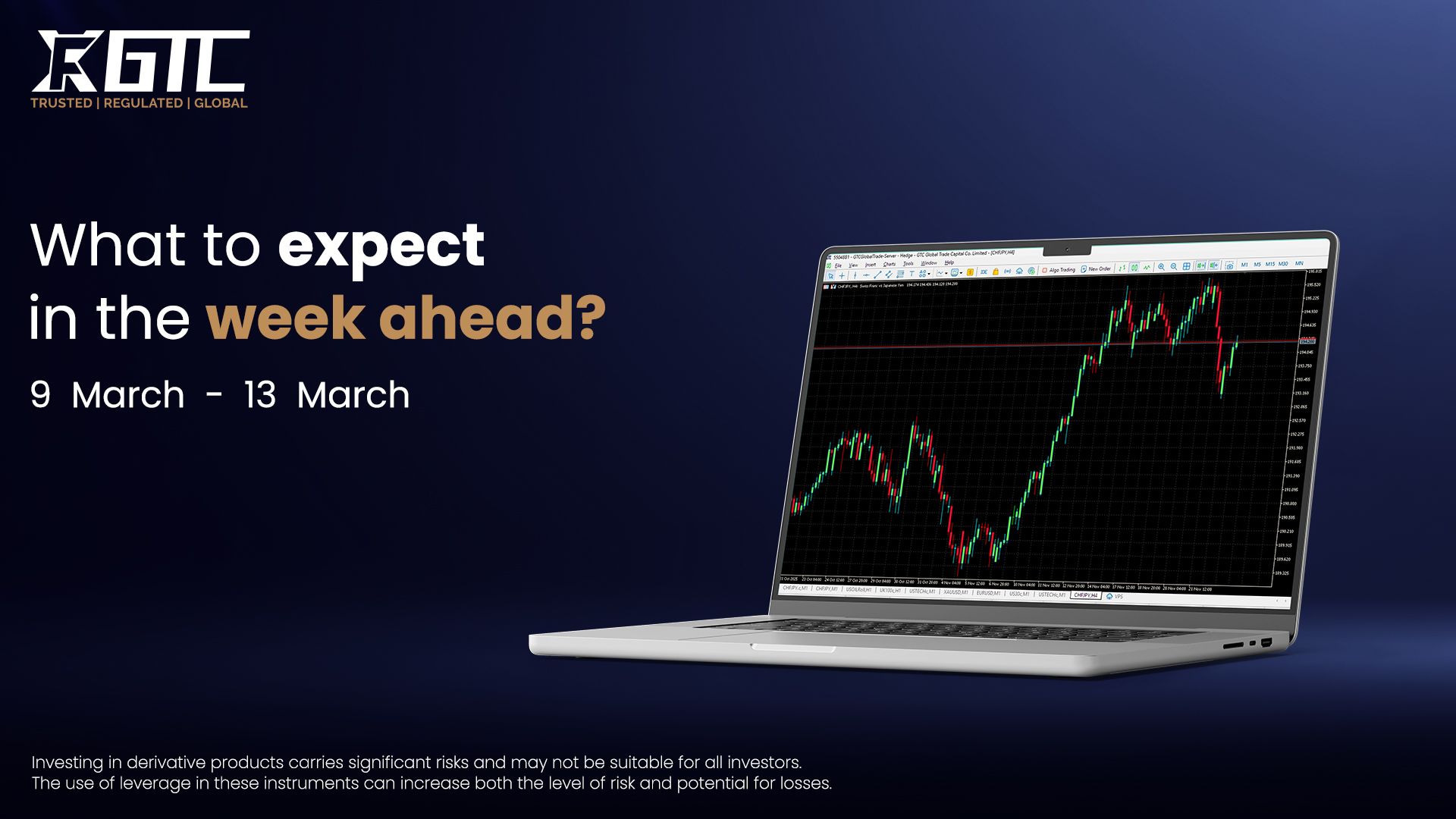
The week has kicked off with geopolitical tensions once again dictating the tone across global markets.
Over the weekend, markets were hoping for signs of de-escalation and potential diplomatic engagement between the United States and Iran. Instead, the rhetoric turned sharper. Iran’s foreign minister rejected calls for unconditional surrender and warned of retaliation following reports that a U.S. strike sank an Iranian vessel. The message was clear — negotiations will not take place under pressure.
Markets reacted immediately. Oil surged in early trading, with the current contract briefly flirting with the $120 per barrel mark before reversing sharply and shedding nearly $18 from the highs. The pullback followed a report from the Financial Times suggesting that G7 nations are considering releasing up to 400 million barrels from strategic petroleum reserves to stabilize energy markets.
That headline cooled the panic bid, but volatility remains elevated. With geopolitical risk now colliding with a heavy economic calendar, markets are likely to remain sensitive throughout the week. The focal point will be U.S. inflation data, which could heavily influence expectations around the Federal Reserve’s next policy move.
The week began with disappointment from Europe’s largest economy.
German factory orders plunged -11.1%, a steep deterioration from the previous reading of -4.2%. The drop highlights the fragile state of Germany’s manufacturing sector, which continues to face weak external demand, high energy costs, and persistent uncertainty in global trade.
For markets, this reinforces the narrative that Eurozone growth remains uneven, potentially keeping pressure on the euro and strengthening expectations that the European Central Bank may need to maintain accommodative conditions longer than previously anticipated.
Japan’s economy has been showing signs of fragility, with recent data indicating growth slowed dramatically to around 0.1% annualized in the previous quarter, far below market expectations and highlighting weak domestic demand.
If the upcoming revision confirms sluggish growth, it could have two key market implications:
Markets expect Core CPI month-on-month to ease to 0.2% from 0.3%, while the year-on-year figure is expected to hold steady near 2.5%.
This release carries significant weight for monetary policy expectations.
A softer-than-expected print would strengthen the argument that inflation is gradually cooling, increasing the probability of rate cuts later in the year and potentially weakening the U.S. dollar while supporting equities and precious metals.
However, a hotter reading could quickly shift sentiment. If inflation surprises to the upside, markets may begin pricing a longer period of restrictive policy from the Federal Reserve.
Given the current geopolitical backdrop and elevated oil prices, traders will be particularly sensitive to any signs that energy costs are feeding back into broader inflation.
Initial jobless claims are expected to rise slightly to 216K from 213K, hinting that the labor market may be gradually cooling. Recent data still shows the labor market holding relatively firm despite signs of slower hiring.
For policymakers, this data is part of the Federal Reserve’s dual mandate puzzle. A steady increase in claims could indicate easing wage pressures and support the disinflation narrative.
UK GDP: Economists expect growth of 0.2%, slightly stronger than the previous 0.1% reading. A modest improvement would suggest the UK economy is stabilizing after a prolonged period of weak growth. Stronger-than-expected data could support the British pound, while a disappointment may reignite concerns about stagnation in the UK economy.
US Core PCE Price Index: The final and arguably most influential data point of the week arrives with the Core PCE Price Index. Core PCE is the Federal Reserve’s preferred measure of inflation, making it one of the most closely watched indicators for monetary policy.
Last month’s data showed a noticeable uptick, which raised concerns that inflation may not be cooling as smoothly as policymakers hoped. If the upcoming reading shows another acceleration, it could reinforce the argument that inflation remains stubbornly elevated — potentially pushing expectations for rate cuts further out. On the other hand, a softer number could provide the Federal Reserve with the confidence it needs to signal a more dovish stance in upcoming meetings.
Add as a preferred source on Google
GTC Go is GTCFX's mobile trading app, giving traders quick access to accounts, markets, and fund management. As a regulated forex broker, GTCFX aims to make ev…
OCT 15, 2026
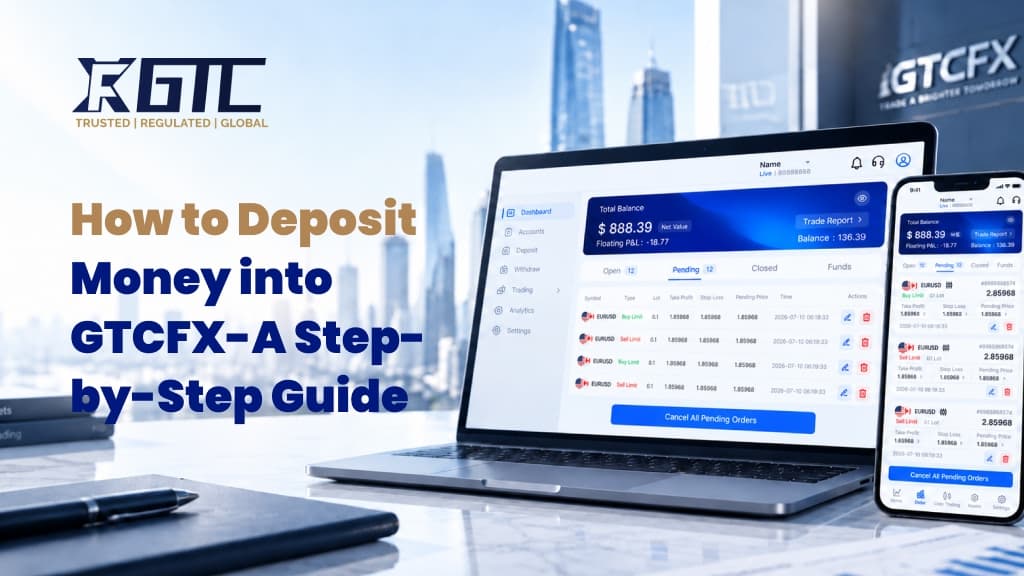
Depositing funds into your trading account is an essential step before you start trading with GTCFX. This guide explains how to deposit money into GTCFX, inclu…
OCT 14, 2026

Learn when the forex market opens and closes, how Sydney, Tokyo, London and New York sessions work, and how overlaps, DST and holidays affect trading activity.
SEP 18, 2026
-Open Your Account in Minutes-
Get instant access to global markets, advanced charting, and expert insights. Whether you're a beginner or a professional, your next opportunity starts here. Secure, regulated, and transparent.