
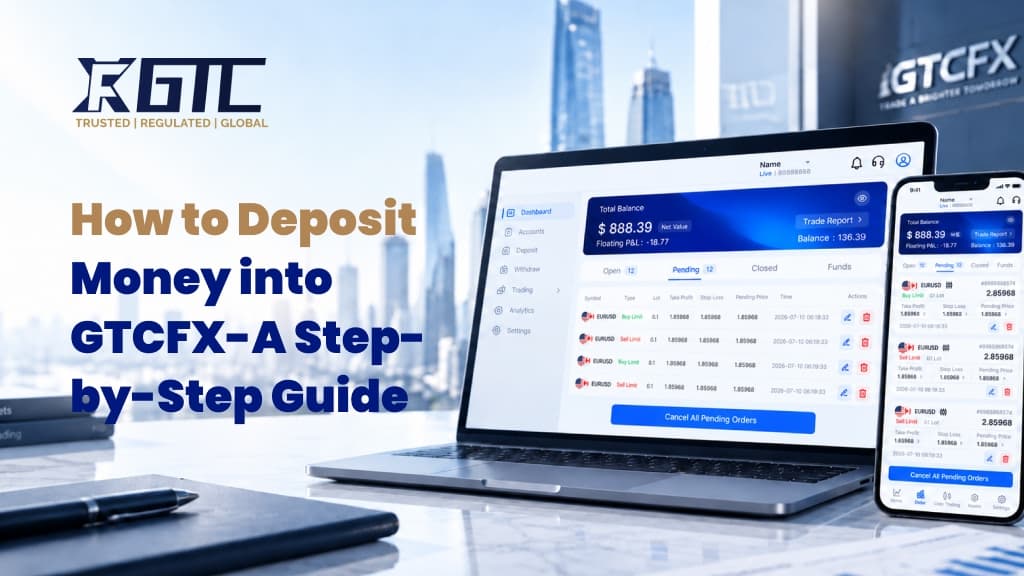
How to Deposit Money into GTCFX-A Step-by-Step Guide?
Depositing funds into your trading account is an essential step before you start trading with GTCFX. This guide explains how to deposit money into GTCFX, inclu…
OCT 14, 2026
00
Blogs
Last updated: august 13, 2026 at 12:53 pm

Geopolitical Escalation, ISM Data, NFP & Fed Re-Pricing Risks
Another weekend, another massive geopolitical shift.
If January was defined by Venezuela and February by Greenland tensions, March wasted no time raising the stakes. We are only three months into the year, and "unwanted stats" are becoming the new norm.
This past weekend saw one of the sharpest escalations in the Middle East in years. The United States and Israel launched coordinated military strikes against Iran — publicly framed as an effort to degrade Tehran’s strategic military capabilities and counter what they describe as enduring threats.
The situation is evolving fast, but several clear developments have already unfolded:
This is more than a regional skirmish. Markets see it as a systemic risk event: energy infrastructure is under strain, air travel and shipping are disrupted, and risk assets have reacted sharply.
Consensus: 51.7 vs 52.6 prior
Manufacturing is expected to cool but remain in expansion territory. The drift lower suggests momentum is softening, not collapsing. In a calmer week, this would be routine deceleration. Against escalating geopolitical tension, even modest slowdown becomes magnified.
A print near 50 could revive recession fears; a surprise rebound could stabilize risk sentiment temporarily.
Consensus: 2.2% vs 2.2% prior
Inflation in the euro area is projected to stay flat at 2.2%. Price pressures are cooling, but not decisively. This gives the European Central Bank breathing room, but it won’t accelerate easing expectations.
Markets are likely to focus on the broader context — how Europe is navigating growth slowdown while inflation remains sticky.
Consensus: 53.5 vs 53.8 prior
Services remain in expansion, but the gradual cooling trend continues. Since services make up the bulk of U.S. economic output, investors will scrutinize whether this is a smooth deceleration or the start of broader weakness.
If both ISM prints undershoot expectations, markets will begin re-pricing growth assumptions faster than anticipated.
Consensus: 215K vs 212K prior
Claims are expected to tick slightly higher. On its own, a 3K increase is minor. But trends matter more than single prints. A sustained drift upward would signal labor softening ahead of Friday’s employment data.
Consensus: +58K (vs +130K prior) | Unemployment Rate: 4.3% (vs 4.3% prior)
This is the pivotal release. Payroll growth is expected to slow dramatically from 130K down to just 58K. That’s not incremental cooling; that’s a meaningful step down in hiring momentum.
If the headline comes in near or below 58K while unemployment holds at 4.3%, it confirms that the labor market is losing steam but not breaking. That would strengthen the case for eventual easing from the Federal Reserve — though not necessarily immediately.
The labor market has been the Fed’s anchor. A visible crack changes the policy conversation.
In a week dominated by geopolitical escalation and fragile sentiment, Friday’s data won’t just move Fed expectations — it could determine how this month begins for Wall Street.
Add as a preferred source on Google
Depositing funds into your trading account is an essential step before you start trading with GTCFX. This guide explains how to deposit money into GTCFX, inclu…
OCT 14, 2026
Learn when the forex market opens and closes, how Sydney, Tokyo, London and New York sessions work, and how overlaps, DST and holidays affect trading activity.
SEP 18, 2026
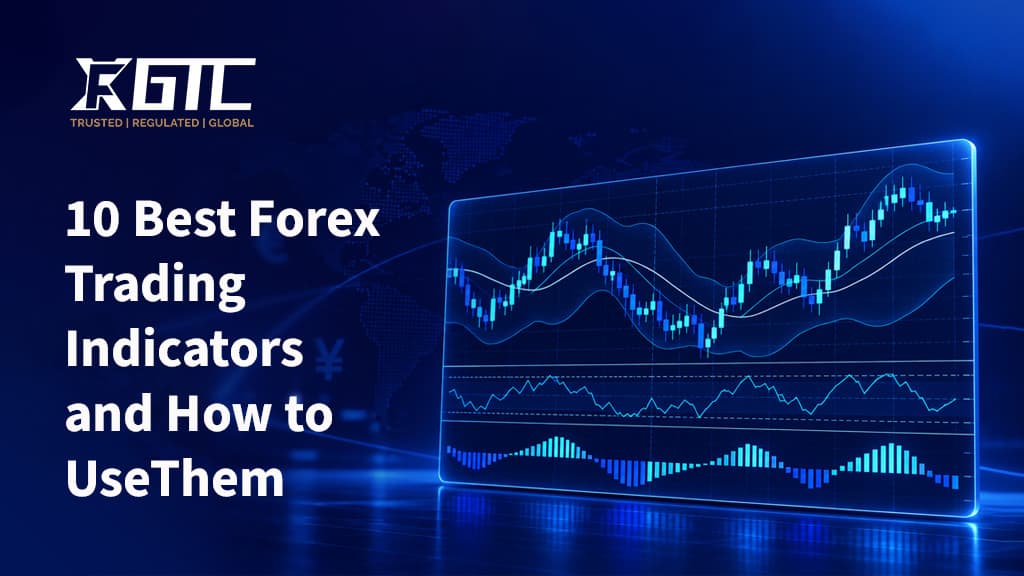
In forex trading, timing can make the difference between a smart entry and a costly mistake. But with prices moving constantly, how can traders spot meaningful…
SEP 18, 2026
-Open Your Account in Minutes-
Get instant access to global markets, advanced charting, and expert insights. Whether you're a beginner or a professional, your next opportunity starts here. Secure, regulated, and transparent.