
When Does Forex Market Open? (2026 Update)
Learn when the forex market opens and closes, how Sydney, Tokyo, London and New York sessions work, and how overlaps, DST and holidays affect trading activity.
SEP 18, 2026
00
Blogs
Last updated: august 13, 2026 at 12:53 pm
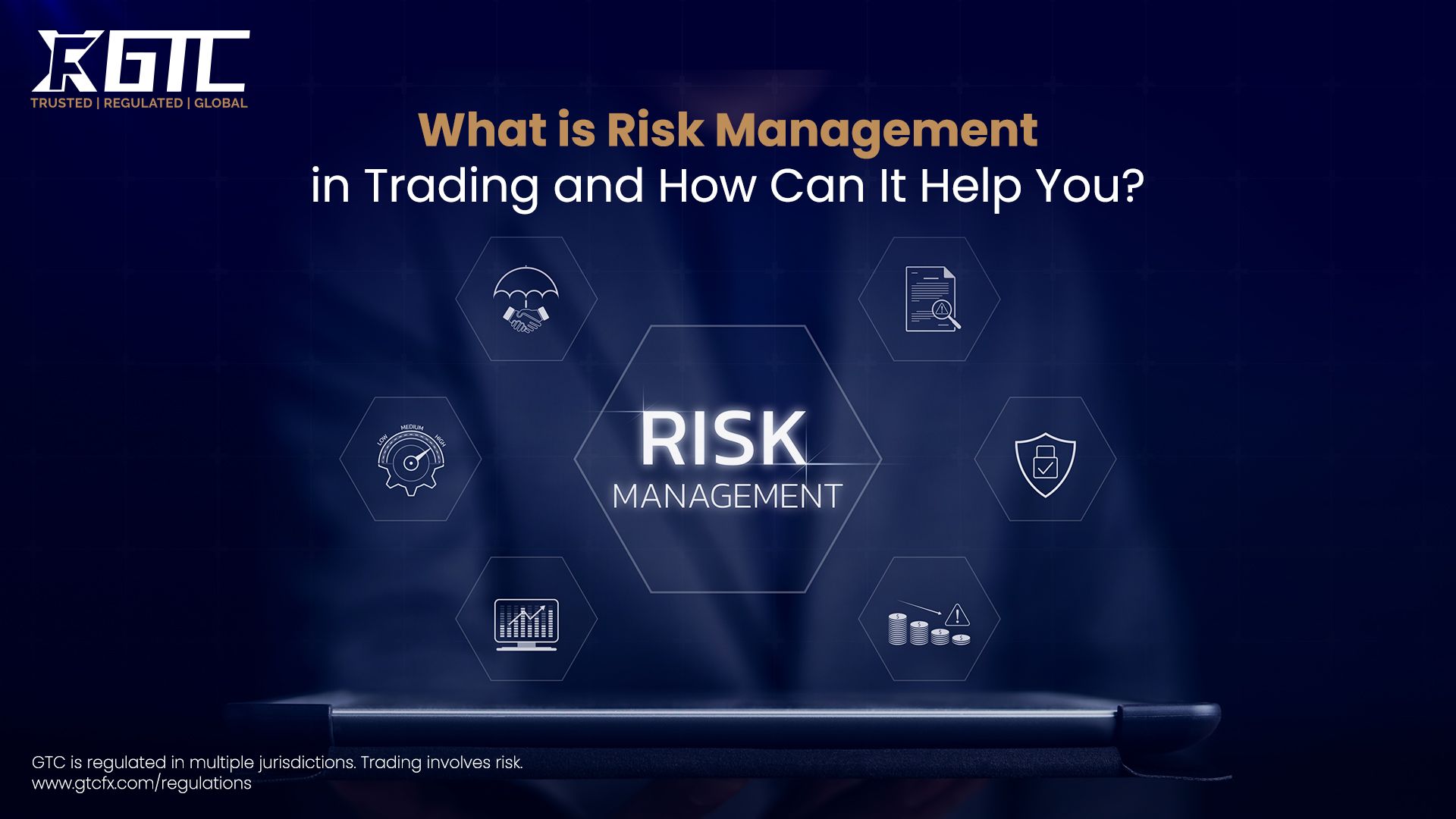
Do you ever think about the trader who can survive every market storm while others lose everything in a week? They are not lucky; they are using risk management.
In trading, it’s not all about calling the next big move. It’s about protecting your capital when things go wrong. Markets are unpredictable-prices can change in seconds due to global news, economic reports, or rumors. Without a plan to reduce losses, even the best strategy can fail.
Managing risk is the skill of remaining in the game. It’s what separates a disciplined trader from one driven by emotion. It doesn’t matter whether you trade forex, commodities, or indices; understanding how to manage risk turns a chaotic environment into a manageable one.
Let’s cover what risk management is, why it matters, and how to implement it so you can grow your account over time instead of gambling your capital away.
Risk management is the process of recognizing possible losses, controlling them, and preserving your capital. Without it, one bad decision can erase the profits from many good ones. Good risk management helps you:
Seasoned traders rely on five key tactics:
| Technique | What it Does | Why it Matters |
|---|---|---|
| Maximum loss limit | Sets a cap on how much you lose in a trade/day | Prevents large drawdowns |
| 1% (or 2%) rule | Limits risk per trade to a fixed % of capital | Protects from a single mistake |
| Stop-loss / Take-profit | Automatically exits trades at pre-set levels | Removes emotions, preserves capital |
| Position sizing | Adjusts number of units you trade | Keeps each trade’s risk consistent |
| Diversify / Hedge | Spreads exposure or uses offsetting trades | Reduces impact of one bad event |
Suppose your account is $10,000. Using the 1% rule, you risk a maximum of $100 per trade.
You enter at $50 and place a stop-loss at $48 (risking $2 per share). Your position size is therefore 50 shares ($100 ÷ $2). You set a take-profit at $53, giving a reasonable reward-to-risk ratio.
By measuring risk before entering, you avoid chasing trades emotionally. Even after a few losses, your account survives to trade another day.
Most traders don’t fail because markets can’t be predicted, they fail because they don’t manage risk. Common pitfalls include:
High leverage magnifies both gains and losses. One bad trade can wipe out an account. Survival matters more than fast returns.
Fear causes early exits; greed pushes oversized risk. Without a plan, traders chase losses and dig deeper holes.
Entering without stop-loss, take-profit, or a clear risk-to-reward target is gambling. Professionals plan, execute, and review consistently.
Even a good strategy fails if you risk too much on one trade. Control risk to stay long enough to benefit when your edge plays out.
Good risk management isn’t a document you write once and forget, it’s a behavior. It shapes how you pick, size, and exit trades. Over time, it builds consistency, keeps you in the game, and gives you a real chance to profit.
At GTCFX, we know protecting capital matters as much as finding opportunities. Our platforms offer tools like stop-loss, flexible position sizing, and real-time monitoring so you can trade with discipline. If you’re ready to trade smarter, we’re here to help.
The information in this article is for general information only and does not represent financial or investment advice. Markets are unpredictable, and past performance does not guarantee future results. Before making any financial decisions, please do your own research or consult a licensed financial advisor.
Add as a preferred source on Google
Learn when the forex market opens and closes, how Sydney, Tokyo, London and New York sessions work, and how overlaps, DST and holidays affect trading activity.
SEP 18, 2026
In forex trading, timing can make the difference between a smart entry and a costly mistake. But with prices moving constantly, how can traders spot meaningful…
SEP 18, 2026
Explore the strongest currencies in 2026 by nominal value, including the Kuwaiti dinar, Bahraini dinar, Omani rial, Jordanian dinar and British pound, plus the…
SEP 17, 2026
-Open Your Account in Minutes-
Get instant access to global markets, advanced charting, and expert insights. Whether you're a beginner or a professional, your next opportunity starts here. Secure, regulated, and transparent.