博客
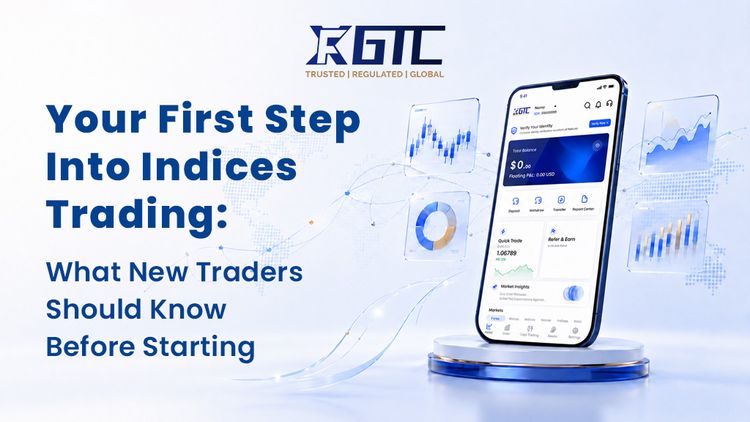
指数交易的第一步——新交易者开始前应该知道的事项
指数交易对初学者来说可能很有吸引力,因为单笔交易可以提供对一大批公司的敞口,而不仅仅是单只股票。但在下达第一笔订单之前,重要的是要了解指数如何运作、什么推动其价格变动,以及杠杆如何影响收益和损失。
CFDs are highly speculative, leveraged instruments. Trading in CFDs carries a high degree of risk to your capital. Investors should ensure they possess adequate market knowledge or seek independent financial advice before executing trades.
How to Avoid Slippage in Trading Do CFDs have slippage
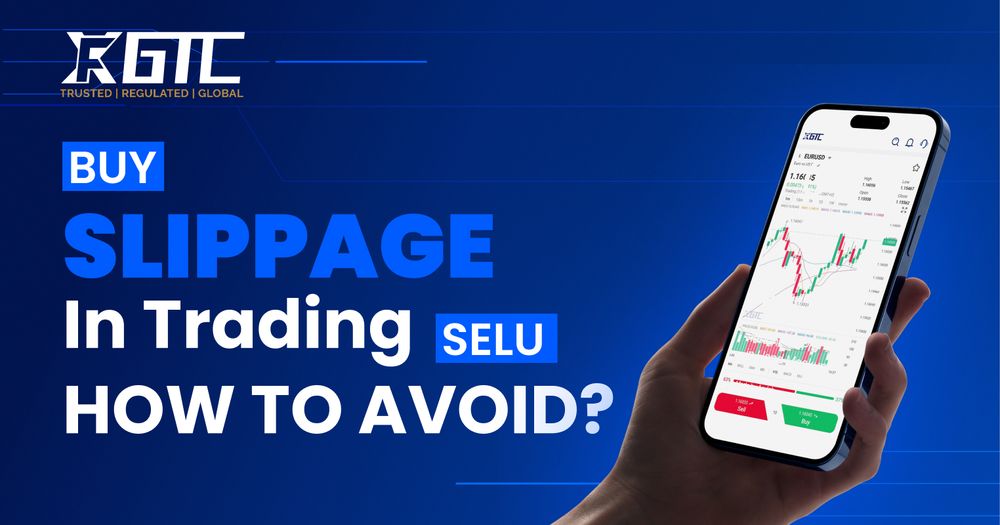
Trading slippage is the mathematical difference between your requested execution price and the actual price at which your trade is filled.
Slippage occurs naturally due to rapid market volatility, low order book liquidity, and network latency between trader terminals and broker servers.
CFDs are fully subject to slippage because derivative prices dynamically reflect the high-speed liquidity and price gaps of underlying global markets.
Slippage is bidirectional: negative slippage results in a worse fill price, while positive slippage yields a better fill price than requested.
Traders can mitigate slippage risk by replacing standard market orders with limit orders, setting maximum deviation limits, and trading during peak liquidity sessions.
Trading slippage occurs when an order is filled at a different price than requested due to fast price shifts or execution delays. While common in fast-moving markets, slippage can be managed using limit orders, stop-limit parameters, and ultra-low latency infrastructure.
Understanding what is slippage in trading and why it happens allows investors to protect capital during volatile market conditions. So, let’s get started.
Slippage in trading represents the mathematical difference between the expected price of a trade and the price at which the trade is actually executed. It occurs during the fraction of a second between an order being dispatched from a trading terminal and its final execution by a liquidity provider.
If a buy order for an index CFD is requested at 18,000 but fills at 18,002 due to a rapid price jump, the trade incurs 2 points of negative slippage. Conversely, if a sell order is executed at a higher price than requested due to a favorable gap, the trader experiences positive slippage.
Market orders instruct the broker to execute immediately at the best available price, making them highly susceptible to slippage. Limit orders instruct the broker to fill only at a specified price or better, preventing negative slippage entirely.
The spread is the fixed or variable difference between the bid and ask price set by market makers, whereas slippage is an execution delay variance that occurs after an order is submitted.
Trading slippage occurs primarily when market conditions change faster than an order can be processed, or when there is insufficient order volume at a specific price point.
Major macroeconomic releases—such as Consumer Price Index (CPI) updates, non-farm payroll (NFP) reports, or central bank interest rate decisions—cause prices to gap across multiple pips in milliseconds.
During off-peak trading hours or when trading low-volume exotic currency pairs, the order book may lack sufficient counterparties at your exact requested price, forcing the order to "sweep" the book to the next available price.
Physical distance between a trader's computer, internet routing hubs, and the broker's execution servers creates a microsecond delay, during which underlying asset prices can shift.
Attempting to execute exceptionally large lot sizes in a single market order can exceed the immediate liquidity available at the top of the order book, causing portioned fills across multiple ascending or descending price tiers.
Yes, Contracts for Difference (CFDs) are fully subject to slippage. CFDs derive their pricing directly from underlying spot, futures, and equity markets, therefore, any execution gap in the underlying market transfers directly to the CFD contract.
While slippage cannot be completely eliminated from fast-moving markets, traders can employ specific order types and technical configurations to drastically reduce its impact on performance.
1. Use Limit and Stop-Limit Orders -- Eliminates Negative Fill Variance
Replace standard market orders with buy-limit or sell-limit orders. Limit orders strictly guarantee that your trade fills only at your specified price or a more favorable price, though execution is not guaranteed if the price passes your level.
Enable maximum deviation parameters within your trading platform. By setting a maximum slippage threshold (e.g., 2 pips), the trading terminal automatically cancels the order if the fill price exceeds your specified tolerance.
Schedule active trading sessions during major market overlaps. Higher trading volume provides deeper order books, reducing the likelihood of price sweeping.
4. Utilize a Virtual Private Server (VPS) -- Minimize Network Time Delays
Host your trading platform on a dedicated Virtual Private Server located close to your broker’s primary execution servers. This reduces network ping latency down to single-digit milliseconds.
Download the GTC Go App or register for a zero-risk Demo Account to test order execution speeds across real-time market conditions today.
Positive slippage is entirely real and occurs frequently under true market execution models. When market prices move favorably while an order is processing, the trader receives a fill price better than requested.
Tier-1 regulated brokers are legally required to pass positive slippage through to the client rather than re-quoting or retaining the price improvement.
The information provided is for educational purposes only and does not constitute financial advice. Market conditions change rapidly, and individual financial situations vary. Always consult with a certified financial planner or advisor before making investment decisions.
博客
指数交易对初学者来说可能很有吸引力,因为单笔交易可以提供对一大批公司的敞口,而不仅仅是单只股票。但在下达第一笔订单之前,重要的是要了解指数如何运作、什么推动其价格变动,以及杠杆如何影响收益和损失。
Blogs
Blogs
Blogs