CFD'ler yüksek ölçüde spekülatif, kaldıraçlı araçlardır. CFD işlemleri sermayeniz açısından yüksek risk taşır. Yatırımcılar, işlem yapmadan önce yeterli piyasa bilgisine sahip olduklarından emin olmalı veya bağımsız finansal danışmanlık almalıdır.

Blogs kategorisine dön
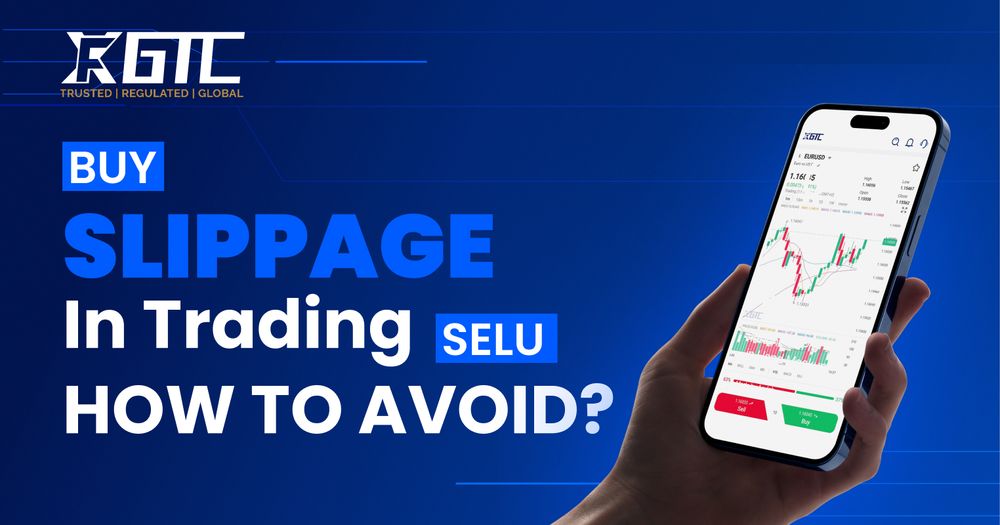
How to Avoid Slippage in TradingDo CFDs have slippage

How to Avoid Slippage in Trading? Do CFDs have slippage?

How to Avoid Slippage in Trading Do CFDs have slippage

  • Trading slippage
  • CFDs
  • Key Takeaways
How to Avoid Slippage in Trading Do CFDs have slippage
01SECTION 01

Key Takeaways

01

Trading slippage is the mathematical difference between your requested execution price and the actual price at which your trade is filled.

02

Slippage occurs naturally due to rapid market volatility, low order book liquidity, and network latency between trader terminals and broker servers.

03

CFDs are fully subject to slippage because derivative prices dynamically reflect the high-speed liquidity and price gaps of underlying global markets.

04

Slippage is bidirectional: negative slippage results in a worse fill price, while positive slippage yields a better fill price than requested.

05

Traders can mitigate slippage risk by replacing standard market orders with limit orders, setting maximum deviation limits, and trading during peak liquidity sessions.

Trading slippage occurs when an order is filled at a different price than requested due to fast price shifts or execution delays. While common in fast-moving markets, slippage can be managed using limit orders, stop-limit parameters, and ultra-low latency infrastructure.

Understanding what is slippage in trading and why it happens allows investors to protect capital during volatile market conditions. So, let’s get started.

02SECTION 02

What Is Slippage in Trading and How Does It Work?

Slippage in trading represents the mathematical difference between the expected price of a trade and the price at which the trade is actually executed. It occurs during the fraction of a second between an order being dispatched from a trading terminal and its final execution by a liquidity provider.

±

Positive vs. negative slippage:

If a buy order for an index CFD is requested at 18,000 but fills at 18,002 due to a rapid price jump, the trade incurs 2 points of negative slippage. Conversely, if a sell order is executed at a higher price than requested due to a favorable gap, the trader experiences positive slippage.

⇆

Market orders vs. limit orders:

Market orders instruct the broker to execute immediately at the best available price, making them highly susceptible to slippage. Limit orders instruct the broker to fill only at a specified price or better, preventing negative slippage entirely.

↔

Slippage vs. spread:

The spread is the fixed or variable difference between the bid and ask price set by market makers, whereas slippage is an execution delay variance that occurs after an order is submitted.

03SECTION 03

Why Does Trading Slippage Happen in Live Markets?

Trading slippage occurs primarily when market conditions change faster than an order can be processed, or when there is insufficient order volume at a specific price point.

04SECTION 04

1. The Primary Drivers of Execution Variance

High market volatility:

Major macroeconomic releases—such as Consumer Price Index (CPI) updates, non-farm payroll (NFP) reports, or central bank interest rate decisions—cause prices to gap across multiple pips in milliseconds.

Liquidity deficits:

During off-peak trading hours or when trading low-volume exotic currency pairs, the order book may lack sufficient counterparties at your exact requested price, forcing the order to "sweep" the book to the next available price.

Network latency:

Physical distance between a trader's computer, internet routing hubs, and the broker's execution servers creates a microsecond delay, during which underlying asset prices can shift.

Large position sizing:

Attempting to execute exceptionally large lot sizes in a single market order can exceed the immediate liquidity available at the top of the order book, causing portioned fills across multiple ascending or descending price tiers.

05SECTION 05

2. Do CFDs Have Slippage in Financial Markets?

Yes, Contracts for Difference (CFDs) are fully subject to slippage. CFDs derive their pricing directly from underlying spot, futures, and equity markets, therefore, any execution gap in the underlying market transfers directly to the CFD contract.

06SECTION 06

How Can Investors Effectively Manage and Minimize Slippage Risk?

While slippage cannot be completely eliminated from fast-moving markets, traders can employ specific order types and technical configurations to drastically reduce its impact on performance.

1. Use Limit and Stop-Limit Orders -- Eliminates Negative Fill Variance

Replace standard market orders with buy-limit or sell-limit orders. Limit orders strictly guarantee that your trade fills only at your specified price or a more favorable price, though execution is not guaranteed if the price passes your level.

07SECTION 07

2. Set Maximum Price Deviation Tolerances -- Configurable in MT4/MT5 Settings

Enable maximum deviation parameters within your trading platform. By setting a maximum slippage threshold (e.g., 2 pips), the trading terminal automatically cancels the order if the fill price exceeds your specified tolerance.

08SECTION 08

3. Trade During High-Liquidity Overlaps -- Capitalize on Deep Order Books

Schedule active trading sessions during major market overlaps. Higher trading volume provides deeper order books, reducing the likelihood of price sweeping.

4. Utilize a Virtual Private Server (VPS) -- Minimize Network Time Delays

Host your trading platform on a dedicated Virtual Private Server located close to your broker’s primary execution servers. This reduces network ping latency down to single-digit milliseconds.

Infrastructure Matters When Managing Execution Risk

Download the GTC Go App or register for a zero-risk Demo Account to test order execution speeds across real-time market conditions today.

10SECTION 10

Frequently Asked Questions About Trading Slippage

Positive slippage is entirely real and occurs frequently under true market execution models. When market prices move favorably while an order is processing, the trader receives a fill price better than requested.

Tier-1 regulated brokers are legally required to pass positive slippage through to the client rather than re-quoting or retaining the price improvement.

Disclaimer:

The information provided is for educational purposes only and does not constitute financial advice. Market conditions change rapidly, and individual financial situations vary. Always consult with a certified financial planner or advisor before making investment decisions.

Bu makaleyi paylaşın

Blogs kategorisinden diğer içerikler

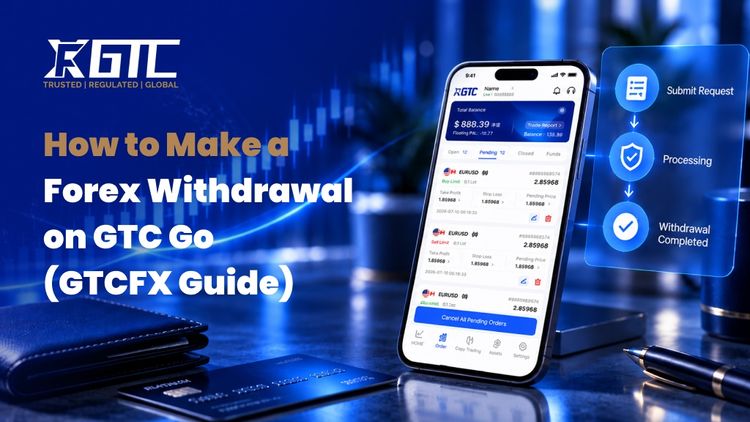
How to Make a Forex Withdrawal on GTC Go (GTCFX Guide)?

Blogs

How to Make a Forex Withdrawal on GTC Go (GTCFX Guide)?

GTC Go is GTCFX's mobile trading app, giving traders quick access to accounts, markets, and fund management. As a regulated forex broker, GTCFX aims to make every forex withdrawal on GTC Go simple and secure.

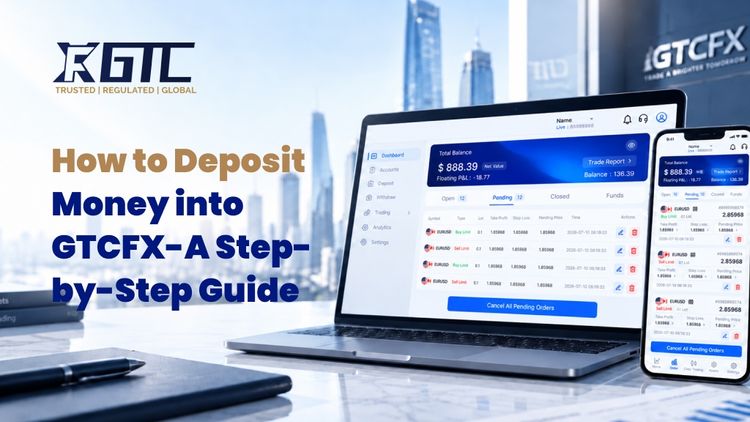
How to Deposit Money into GTCFX-A Step-by-Step Guide?

Blogs

How to Deposit Money into GTCFX-A Step-by-Step Guide?

Depositing funds into your trading account is an essential step before you start trading with GTCFX. This guide explains how to deposit money into GTCFX, including available payment methods, processing times, fees, and key considerations to help you complete your deposit smoothly.

When Does Forex Market Open? (2026 Update)

Blogs

When Does Forex Market Open? (2026 Update)

Learn when the forex market opens and closes, how Sydney, Tokyo, London and New York sessions work, and how overlaps, DST and holidays affect trading activity.

10 Best Forex Trading Indicators and How to Use Them

Blogs

10 Best Forex Trading Indicators and How to Use Them

In forex trading, timing can make the difference between a smart entry and a costly mistake. But with prices moving constantly, how can traders spot meaningful opportunities without relying on guesswork? That’s where forex trading indicators come in. From identifying trends and momentum to measuring volatility and potential reversals, the right indicators can help you make more informed decisions.

What Is the Strongest Currency in the World?

Blogs

What Is the Strongest Currency in the World?

Explore the strongest currencies in 2026 by nominal value, including the Kuwaiti dinar, Bahraini dinar, Omani rial, Jordanian dinar and British pound, plus the factors that influence currency strength and forex trading.

How to Trade Oil CFDs: A Step-by-Step Guide for Beginners

Blogs

How to Trade Oil CFDs: A Step-by-Step Guide for Beginners

When you trade an oil CFD you take a position on a crude futures price without owning or receiving any oil. Three things decide whether the trade works: understanding what moves the price, sizing the position for oil's daily range rather than a currency pair's, and knowing what happens when the underlying contract expires.

Your First Step Into Indices Trading-What New Traders Should Know Before Starting

Blogs

Your First Step Into Indices Trading-What New Traders Should Know Before Starting

Indices trading can look appealing to beginners because a single trade can provide exposure to a broad group of companies rather than one individual stock. But before placing your first order, it is important to understand how indices work, what moves their prices, and how leverage can affect both gains and losses.

Forex Spread Explained: What You Really Pay Per Trade

Blogs

Forex Spread Explained: What You Really Pay Per Trade

The spread is the gap between the price you can buy at and the price you can sell at, and you pay it on every trade. In money terms it is (spread in pips) x (pip value for your lot size). On top of it sit commission, overnight financing and a handful of charges that never appear in the quote. Which of these dominates depends entirely on how long you hold positions.

Swapsız özelliği nasıl etkinleştirilir? Hızlı ve şeffaf

Etkinleştirmek çok kolayBize ulaşın, özel ekibimiz gerisini halletsin. Evrak yok, gizli adımlar yok; yalnızca sorunsuz bir talep süreci.
Swapsız özellik nasıl etkinleştirilir?Canlı Destek veya E-posta üzerinden destek ekibimizle iletişime geçin. Uygunluğunuzu inceleyip onaylandıktan sonra hesabınızda swapsız durumu etkinleştireceğiz.